
[maxmegamenu location=menu_1]
The Complete Guide to Far-Western Nepal Trekking: Rara National Park & Khaptad National Park Treks
The Far-Western Region of Nepal is the final frontier for authentic adventurers. While the trails of Everest and Annapurna see thousands of trekkers, this remote corner offers pristine wilderness, profound cultural immersion, and a sense of discovery found nowhere else. This comprehensive guide delves deep into the two crown jewels of the region: the awe-inspiring Rara National Park, home to Nepal’s largest lake, and the spiritually charged Khaptad National Park, a vast expanse of rolling meadows and sacred sites.
For the intrepid traveler, a journey here is more than a trek; it’s a pilgrimage into the untouched heart of the Himalayas.
Why Trek in the Far-Western Region?
Before we dive into the specifics of each park, let’s understand what makes the Far-Western Region of Nepal unique:
- Unparalleled Solitude: Escape the crowds and experience true wilderness.
- Pristine Ecosystems: These parks are protected havens for rare flora and fauna.
- Authentic Cultural Encounters: Interact with indigenous communities whose traditions have remained unchanged for generations.
- Unique Landscapes: From the majestic Rara Lake to Khaptad’s sprawling pastures, the topography is dramatically different from other Nepali trekking routes.
Rara National Park & The Rara Lake Trek
Rara National Park is a sanctuary centered around a single, spectacular feature: Rara Lake (Mahendra Tal). This alpine lake, the largest in Nepal, is a shimmering sheet of blue surrounded by dense coniferous forests and towering peaks.
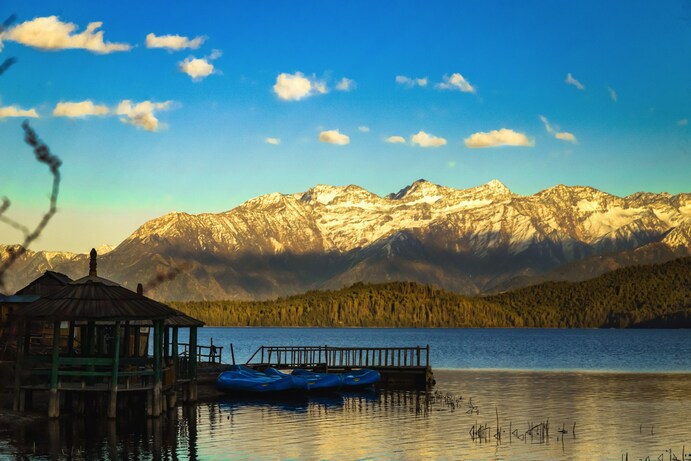
In-Depth Look: Rara National Park
- Location and Geography: Nestled in the remote districts of Jumla and Mugu at an altitude ranging from 2,800 to 4,070 meters. The park covers 106 sq. km, with the lake itself spanning 10.8 sq. km.
- Biodiversity and Wildlife: The park is a vital habitat for the Himalayan black bear, musk deer, the endangered red panda, and Himalayan thar. Birdwatchers can spot over 200 species, including the vibrant Himalayan monal and the Koklass pheasant.
- Cultural Significance: The area is home to the unique culture of the Thakuri and Rokaya communities. The serene environment also holds spiritual importance for both Hindus and Buddhists.
The Ultimate Rara Lake Trek Itinerary (10-Day Detailed Guide)
A typical Rara Lake trek itinerary is a journey into remote wilderness. Here’s a detailed day-by-day breakdown:
- Day 1: Fly from Kathmandu to Nepalgunj. The adventure begins with a flight to this bustling border city.
- Day 2: Fly from Nepalgunj to Jumla (2,370m). A thrilling short flight into the hills, where your trek begins.
- Day 3: Trek from Jumla to Chere Chaur (3,055m). A gentle start through pine and walnut forests.
- Day 4: Trek from Chere Chaur to Chala (3,050m). Traverse through rhododendron forests (blooming spectacularly in spring).
- Day 5: Trek from Chala to Sinja (2,490m). Descend to the ancient capital of the Khasa Kingdom, rich in historical ruins.
- Day 6: Trek from Sinja to Ghorasingha (3,090m). A steady climb through more forests and past rustic villages.
- Day 7: Trek from Ghorasingha to Rara Lake (3,010m). The highlight! Ascend to the lake for your first, unforgettable view.
- Day 8: Acclimatization and Exploration at Rara Lake. Hike to Murma Top for a panoramic view of the lake and surrounding peaks like Chuchemara Peak. Go boating on the crystal-clear waters.
- Day 9: Trek from Rara Lake to Pina (2,440m). Begin your return journey.
- Day 10: Trek from Pina to Jumla.
- Day 11: Fly from Jumla to Nepalgunj and connect to Kathmandu.
Rara Lake Trek Difficulty: This trek is rated moderate to challenging. The challenge comes not from extreme altitude, but from remote trails, basic facilities, and consecutive days of walking with significant ascents and descents.
Part 2: Khaptad National Park & The Khaptad Trek
In stark contrast to Rara, Khaptad National Park offers a gentler, spiritually resonant experience. It’s a plateau of rolling hills, lush meadows, and sacred ponds, often shrouded in mist.
In-Depth Look: Khaptad National Park
- Location and Geography: Sprawled across the districts of Bajhang, Bajura, Achham, and Doti at altitudes between 1,400 and 3,300 meters. It’s a unique ecosystem of grasslands and mixed forests.
- Spiritual Heart: Khaptad Baba Ashram: The park is named after the revered saint Khaptad Baba, who meditated here for decades. His ashram is a major pilgrimage site, especially during the Ganga Dashahara festival. The area is a designated meditation zone, and rules prohibit the consumption of alcohol, tobacco, and meat in the core area.
- Biodiversity: The park’s grasslands are home to barking deer, wild boar, Himalayan black bear, and an impressive variety of butterflies and birds.
The Khaptad National Park Trek Itinerary (7-Day Detailed Guide)
The Khaptad trek is generally shorter and less strenuous than the Rara Lake trek.
- Day 1: Drive from Kathmandu to Dhangadhi. A long but scenic drive to the far-western plains.
- Day 2: Drive from Dhangadhi to Silgadhi (Doti). A jeep ride into the hills, the starting point for the trek.
- Day 3: Trek from Silgadhi to Jhigrana. Enter the outskirts of the national park.
- Day 4: Trek from Jhigrana to Khaptad. Arrive at the stunning meadow complex.
- Day 5: Explore Khaptad. Visit the Khaptad Baba Ashram, Khaptad Daha (lake), Sahashra Linga (the highest point in the park), and the various temples. The landscape is perfect for leisurely day hikes.
- Day 6: Trek from Khaptad to Silgadhi.
- Day 7: Drive from Silgadhi to Dhangadhi and fly back to Kathmandu.
Khaptad Trek Difficulty: This trek is rated easy to moderate. The trails are less steep, and the overall altitude is lower, making it suitable for trekkers of all ages seeking a peaceful experience.
Part 3: Practical Information for Far-Western Trekking
This section is crucial for user intent and SEO. We are answering all the questions a potential trekker would have.
Permits and Fees for Far-Western Nepal Treks
- Rara National Park Permit: Required for entry. Can be obtained in Kathmandu at the Nepal Tourism Board or at the park entrance.
- Khaptad National Park Permit: Required for entry. Same process as Rara.
- Trekker’s Information Management System (TIMS) Card: Required for both treks.
- Restricted Area Permit: For certain parts of the Rara region (like Upper Mugu), an additional restricted area permit may be needed. This is a key detail many competitors miss.
Best Time to Visit Rara and Khaptad National Parks
The ideal seasons are:
- Spring (March to May): Perfect weather, blooming rhododendrons, clear skies.
- Autumn (September to November): Post-monsoon clarity, stable weather, best for mountain views.
- Monsoon (June to August): Not recommended. Landslides and leeches make trails difficult and dangerous.
- Winter (December to February): Very cold, especially at Rara Lake, which can freeze. Access may be limited by snow.
Accommodation: Teahouses vs. Camping
- Rara Lake Trek: Basic teahouses are available along the route, but services are minimal. Carrying a sleeping bag is essential. Many opt for a fully organized camping trek for comfort and reliability.
- Khaptad National Park Trek: Accommodation is very basic, often in government-run lodges or homestays. A camping trek is highly recommended for a better experience.
Getting to the Far-Western Region
- By Air: The most practical option. Flights from Kathmandu to Nepalgunj, then to Jumla (for Rara) or to Dhangadhi (for Khaptad).
- By Road: A long but adventurous option. Requires multiple days of driving and jeep hires. Best for those with ample time.
Packing List for Far-Western Treks
- Sturdy broken-in hiking boots
- Four-season sleeping bag
- Layered clothing (thermal, fleece, down jacket, waterproof shell)
- Water purification tablets/filter
- Comprehensive first-aid kit
- Headlamp, power bank, and spare batteries
- Cash (Nepalese Rupees) as ATMs are unavailable
Rara vs. Khaptad: Which Trek is Right for You?
| Feature | Rara National Park Trek | Khaptad National Park Trek |
|---|---|---|
| Landscape | Alpine Lake, Dense Forests, High Passes | Rolling Meadows, Patches of Forest, Sacred Ponds |
| Main Attraction | Rara Lake (Mahendra Tal) | Khaptad Baba Ashram & Spiritual Sites |
| Trekking Difficulty | Moderate to Challenging | Easy to Moderate |
| Crowds & Solitude | Very Remote, High Solitude | Remote, but more accessible for pilgrims |
| Best For | Adventurous trekkers, photographers, nature purists | Spiritual seekers, bird watchers, those wanting a gentler trek |
FAQs : Far-Western Region Trekking
Conclusion: Embark on Your Far-Western Adventure
Trekking in the Far-Western Region of Nepal is a commitment to raw, unfiltered adventure. Whether you choose the crystalline waters of Rara Lake or the serene meadows of Khaptad, you are guaranteed an experience far removed from the beaten path. The memories of pristine nature, warm local hospitality, and the profound sense of accomplishment will last a lifetime.
Ready to explore the hidden gem of Nepal? [Contact MTNepal Team today] to book your unforgettable Far-Western trekking adventure!